Empowering Your Cancer Journey: Essential Tips for Wellness and Mindfulness
Navigating the cancer path can feel like sailing through uncharted waters. When diagnosed with any type of malignancy—from carcinoma to more complex neoplasms—it's common to experience a whirlwind of emotions and questions. How do I manage my health during treatment? What lifestyle changes should I make? How do I find support? If you're finding yourself at this crossroads, you're not alone. This is where the journey toward holistic wellness and resilience begins, empowering you to take control of your health and your life. As Maya Angelou said, "You may encounter many defeats, but you must not be defeated."
One crucial strategy in your cancer journey is embracing wellness through mindfulness. Studies show that mindfulness techniques, such as meditation or deep-breathing exercises, can effectively reduce stress and anxiety during cancer treatment options like chemotherapy or radiation therapy. As you sit quietly, envision a healing light surrounding you, picturing your body fighting the tumor. It might sound simple, but even practicing just a few minutes a day can shift your mindset and improve your overall well-being. Ask yourself: What does mindfulness mean to me, and how can I incorporate it into my daily routine?
Nutrition is another pillar of support in the fight against cancer. When facing a diagnosis, it's easy to slip into unhealthy habits due to stress or fatigue. However, making thoughtful lifestyle changes around your diet can enhance your body’s response to treatment and bolster resilience against the malignancy. Think about it: how many fruits and vegetables did you eat today? Replacing processed foods with whole foods rich in antioxidants can make a significant difference in your wellness journey. Consider reaching out to a nutritionist who specializes in oncology to help tailor a meal plan that works for you.
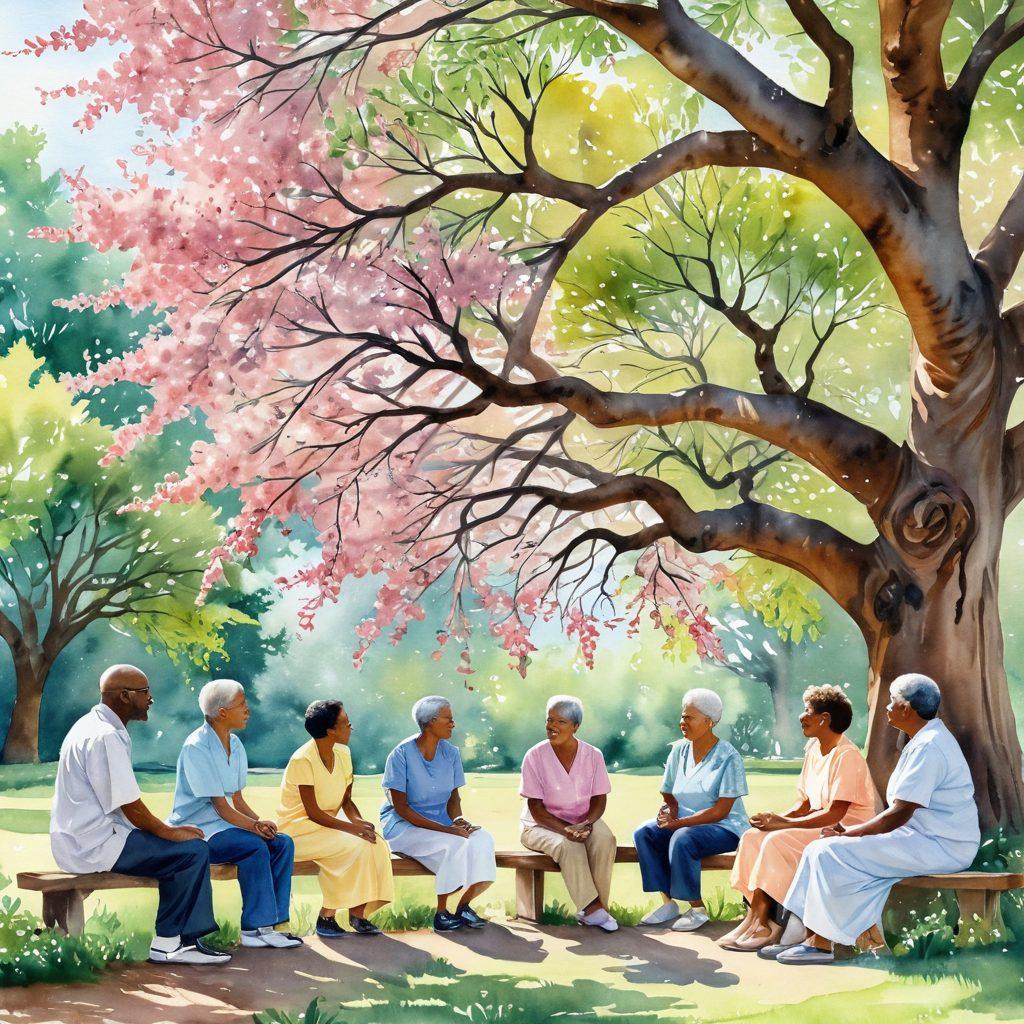
Community support is truly invaluable—whether you join a support group or get involved with cancer foundations dedicated to advocacy and education. Sharing your experience with cancer survivors can help you feel more connected and less isolated in your journey. Remember, you're not just a patient; you're a survivor. Have you turned to your peers or community for support? You might be surprised by the strength that collective experience can provide. As you make connections, you'll discover that overcoming the cancer stigma contributes to the overall transparency and morale in your battle against cancer myths.
Finally, don’t underestimate the power of self-care. A visit to a spa for a massage, reading a good book, or even just taking time to breathe can be incredibly restorative. Palliative care doesn’t just mean a focus on end-of-life health; it’s about enhancing the quality of life and alleviating suffering while navigating through every stage of your cancer journey. The simple act of scheduling “me time” shows a commitment to your own wellness. What self-care practices can you integrate into your routine? Remember, even the smallest change can lead to significant improvements in your quality of life. By exploring these strategies, you harness the tools needed to thrive despite a cancer diagnosis, turning your journey into one of resilience and empowerment.
Mindfulness in Oncology: Embracing Wellness Through Every Stages of Your Journey
In the labyrinthine world of oncology, where the terminology can sometimes feel like a foreign language—carcinoma, neoplasm, tumor, and malignancy—it's crucial to stay focused on the journey ahead. Each patient’s cancer journey is unique, filled with a spectrum of emotions and experiences. Embracing mindfulness through every stage of this journey can act as a beacon of hope, illuminating the path toward wellness. But what does mindfulness truly mean in the context of living with cancer? As we delve deeper, we’ll explore how cultivating a mindful approach can transform your cancer treatment experience, making it not just about survival but about thriving even in adversity.
Picture a young adult sitting in a support group, nervously aware of the shadows surrounding them—shadows cast by their diagnosis. "Is this cancer the end of my life, or can I reclaim my wellness?" they wonder. The truth is, each story shared in these circles is a testament to resilience. Mindfulness encourages us to be present in the moment without judgment, allowing individuals to face their fears and emotions with compassion. Through practices like meditation, breath control, and even gentle yoga, patients learn to anchor themselves in the here and now, creating a sanctuary amidst the chaos. This shift isn’t just about feeling good; it actively engages with the body’s healing processes, possibly enhancing the efficacy of cancer treatment options like chemotherapy, immunotherapy, and radiation therapy.
“Wellness is not a destination, it's a lifestyle,” say practitioners of holistic health. This philosophy can be indispensable for cancer survivors and those undergoing active treatment. Mindfulness isn’t reserved for the moments when we’re on a yoga mat or sitting in silence; it can manifest in our daily decisions. What about adopting lifestyle changes that support our body’s fight against tumor growth? Nutrition plays a vital role here, with a myriad of health tips to consider—think vibrant vegetables, nutrient-dense grains, and lean proteins. Choosing nourishing foods isn’t just a nod to cancer prevention; it’s an act of self-care that whispers, 'I am worthy of health.'
As we navigate through the intricacies of cancer, many myths lurk in the shadows, creating anxiety and misinformation. Have you heard the one about how stress causes cancer? The clarion call of mindfulness shines a light on the importance of community support in dismantling these cancer myths. Engaging with peer support groups can bridge the gap between isolation and connection. Together, we can challenge the misconceptions surrounding cancer while fostering a collective strength that uplifts everyone involved. Advocacy and patient education empower individuals, giving them the tools they need to move beyond fear and towards hope.
Finally, one cannot underestimate the emotional and psychological impacts of a cancer diagnosis. Palliative care and resources focusing on emotional wellness are vital not only for comfort but also for overall quality of life. Engaging in community foundations offering support groups can be refreshing, providing spaces where individuals can share their struggles and triumphs. This journey may be fraught with uncertainty, but with advocacy, mindfulness, and a supportive community, we can inspire one another to embrace every stage of our oncology journey. Remember, mindfulness is a tool—a weapon against despair that when wielded properly, can help us navigate the storm, fostering not only resilience but a powerful sense of purpose.
Empowerment Through Knowledge: Essential Tips for Cancer Survivors and Patients
Cancer can feel like a tumultuous ocean, unpredictable and vast, but through the waves of uncertainty, knowledge serves as your life raft. Empowerment through knowledge is especially crucial for cancer survivors and patients facing the shadows of their diagnosis. Whether you're navigating through treatment options like chemotherapy, radiation therapy, or exploring innovative pathways like immunotherapy, understanding your cancer journey is integral. After all, it's your story, and you have the power to shape it. So, let's delve into essential tips that can illuminate your path to wellness and mindfulness, helping you reclaim control over your life amidst a diagnosis of malignancy.
One of the first steps towards empowerment is education. Familiarizing yourself with terms like carcinoma, neoplasm, and tumor can reduce anxiety that often accompanies a cancer diagnosis. Did you know that many myths surrounding cancer can create unnecessary fear? For instance, believing that cancer is a death sentence leads to a negative mindset, diverting focus from the myriad resources and support available. As a cancer survivor or patient, immersing yourself in patient education can help you discern fact from fiction, allowing you to advocate for your health confidently. Think about which myths have impacted you personally and seek out reliable information to combat those fears.
In an increasingly connected world, community support is pivotal. Support groups offer not just camaraderie but also a platform for sharing experiences and strategies during treatment. Have you found solace in a local cancer foundation, or perhaps online peer support networks? Connecting with others who understand your struggles fosters a sense of belonging. Remember, you're not alone in this journey; enthusiasm shared in these groups can spur discussions about health tips and lifestyle changes that promote wellness. It’s those real-life stories that can inspire hope, reminding you of the positive outcomes that others have achieved.
On the road to recovery, self-care cannot be overlooked. Incorporating holistic health practices, such as mindful meditation or yoga, can significantly reduce stress and enhance your mental well-being. Imagine having just a few minutes each day for mindfulness—a time to focus on your breath, visualize your health, and reaffirm your strength. Research shows that practicing mindfulness can lead to improved coping mechanisms during cancer treatment options. Coupled with attentive nutrition, these healthy lifestyle changes can play a remarkable role in your recovery, supporting not just the body but the spirit as well.
Finally, advocacy plays a crucial role in your cancer journey. Consider how you can contribute to the broader conversation about cancer prevention, research, and support. Whatever your experience, your voice matters. By sharing your story, you can influence others navigating similar challenges and even encourage clinical trials for new treatments, giving hope for cancer survivors and patients alike. Whether it's through a blog post on a health blog or speaking at community events, your engagement might just empower someone else to take control of their cancer journey, instilling the belief that with knowledge, solidarity, and resilience, they too can overcome.